2004–2009 Prius at 200,000 Miles: What Fails First
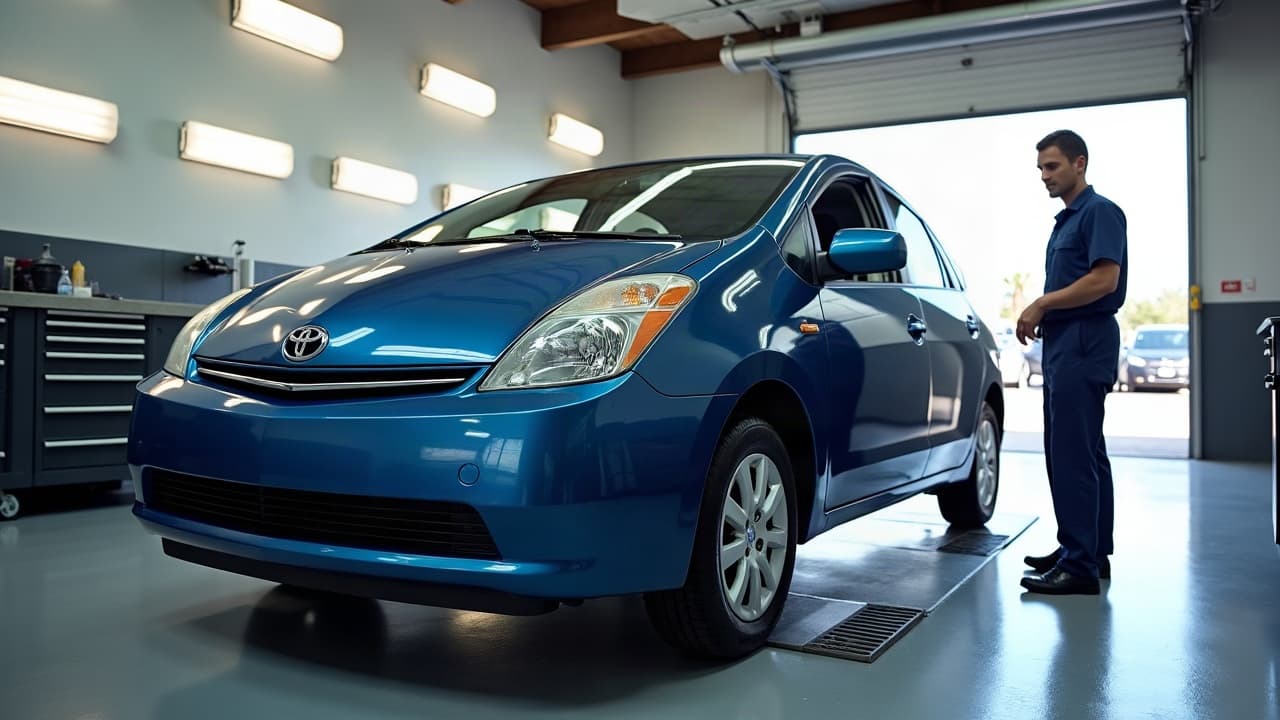
At 200,000 miles a second-gen Prius usually loses the hybrid pack first — weak modules, not a dead car. Costs, codes and how to decide on another repair.
At 200,000 miles on a 2004–2009 Prius, the part that gives out first is almost always the high-voltage battery — and in Phoenix it often went long before that, somewhere between 120,000 and 180,000 miles. Healthy Hybrid replaces the high-voltage traction pack on these cars (the 201.6-volt NiMH pack behind the rear seat, not the little 12-volt), and on a second-generation Prius that is usually the single repair standing between a tired car and another few years of service.
The rest of the car is generally tougher than owners expect. The transaxle, the inverter and the 1NZ-FXE engine on a well-maintained second-gen routinely pass 250,000 miles. The pack is the weak link, and it is the one component Arizona heat attacks hardest.
What actually fails inside the pack?
The second-gen pack is 28 NiMH modules wired in series, monitored by the battery ECU in 14 voltage blocks of two modules each. Failure is almost never the whole pack dying at once. One or two modules lose capacity, their voltage sags faster under load than the rest, and the ECU sees the spread.
That shows up as a predictable sequence:
| Stage | What you see | Typical code |
|---|---|---|
| Early | State-of-charge bars swing fast, full to two bars and back | none yet |
| Early | MPG drops 5–10, engine runs at stops | none yet |
| Mid | One block reads low against the others | P3011–P3024 |
| Mid | Deterioration flagged, car still drives | P0A7F |
| Late | Red triangle, check engine, hybrid system warning, reduced power | P0A80 |
The block codes are the useful ones. A P3011–P3024 tells you which pair of modules is dragging the pack down, which is why a proper diagnostic reads block voltages rather than just pulling a code and guessing.
A second pattern is specific to high-mileage cars: the bus bars and nuts linking the modules corrode. Resistance rises at the joints, the joints heat, and the heat ages the modules next to them. New nickel-plated bus bars with stainless nuts are $99 as an optional extra when the pack comes out.
Why do Arizona packs fail earlier than the national numbers?
The second-gen pack is air-cooled. A small blower pulls cabin air through an intake vent on the right side behind the rear seat, pushes it across the modules, and vents it out. There is no liquid cooling, no refrigerant loop. The pack's only defence against heat is the air in your cabin.
In Phoenix that defence is thin. A car parked outside in July reaches interior temperatures that leave the pack soaking at well over 150°F for hours with no airflow at all, because the blower only runs when the car does. NiMH chemistry self-discharges faster and loses capacity permanently when it is held hot. That is why a Minnesota second-gen can see 200,000 miles on the original pack and a Mesa car with the same mileage is on its second or third.
Two things genuinely help: park in shade or a garage when you can, and keep the rear-seat intake vent clear — pet hair, a cargo cover or a child seat blocking that vent raises pack temperature every mile you drive.
What else goes wrong at this mileage?
Before you spend money on a pack, know what else is on the clock:
- 12V battery. On a second-gen it lives in the right rear cargo area and it kills more Prius mornings than the traction pack does. Arizona heat typically gets three to four years out of one. Replacement runs $100 – $400 depending on the battery; see 12V versus hybrid battery testing if you're not sure which one is the problem.
- Inverter coolant pump. The electric pump for the inverter loop is a known wear item and will set P0A93 when flow drops.
- Engine water pump and the exhaust-gas-recirculation path. Both are normal high-mileage maintenance, not hybrid-specific.
- Brake actuator. Expensive, and worth knowing about before you commit to a pack. A hybrid system diagnostic will tell you whether anything else is pending.
What does a new pack cost, and does the car earn it?
These are set prices for the Toyota Prius, battery and installation together. Mobile service is a $250 add-on on top of the $250 installation, which is why the come-to-you totals are higher.
| Option | Warranty | Installed at our shop | We come to you |
|---|---|---|---|
| Refurbished battery | 3 months | $600 | $850 |
| Refurbished battery | 1 year | $1,250 | $1,500 |
| New aftermarket battery | 4 years | $2,250 | $2,500 |
Most installs take about 30 minutes. Our written Limited Warranty runs from the purchase date: 48 months on a new battery, 12 months on a refurbished one, 3 months on the budget refurbished option, unlimited miles for personal use. Rideshare, commercial and fleet use is capped (48 months or 80,000 miles new, 12 months or 20,000 miles refurbished). Installation workmanship is covered for 90 days. The full terms are on the warranty page.
The decision is simpler than it looks. A 200,000-mile second-gen with a straight body, a quiet engine and no brake actuator noise is a car worth a 4-year pack. A car you plan to sell in six months, or one with other large repairs queued up, is the case for the shorter-warranty refurbished option. Arizona cars do have one advantage here: no road salt, so the underbody and subframe on a local second-gen are usually sound in a way a Midwest car's are not.
If the car has already had an aftermarket pack installed once, tell whoever diagnoses it. Knowing the pack's history changes what the block voltages mean.
More second-generation detail is on the Toyota Prius page, and the options are laid out on hybrid battery replacement and Prius hybrid battery repair.
Book a diagnostic at /schedule or call Healthy Hybrid at 833-995-7966 — we'll read the block voltages and tell you which modules are actually weak before you spend anything on a pack.
Tags
- prius
- nimh battery
- high-mileage
- arizona heat
- p0a80